Source Normally Open Magnetic Reed Switch for Doors, Windows, and Alarms
Find and compare 30 normally open magnetic reed switch options for home security, door contacts, and window sensors. Review specifications like gap distance, material, and certifications to select the right sensor for your anti-theft or communication electronic product applications; compare the available evidence and request quotations based on your requirements.
Key considerations
Products List


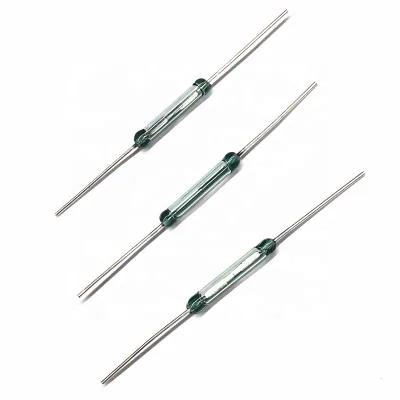


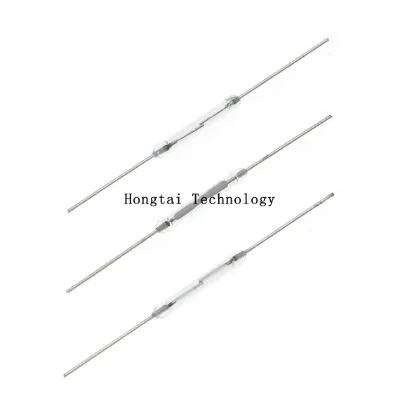


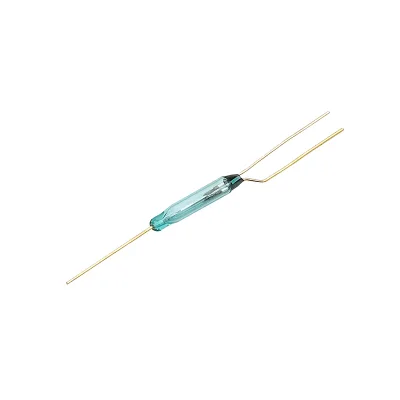
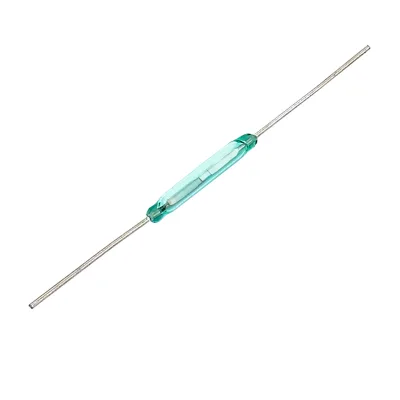
Comprehensive Sourcing Guide
Normally Open Magnetic Reed Switch Sourcing Guide
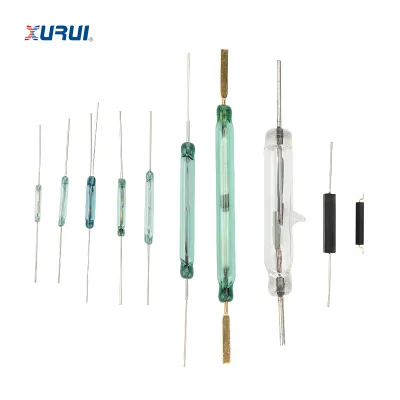
Sourcing normally open magnetic reed switches requires a clear understanding of their fundamental operating principle and the specific environmental constraints of the intended deployment. These devices rely on a hermetically sealed glass tube containing ferrous reeds that close the circuit when exposed to a magnetic field from a corresponding magnet. Buyers must distinguish between the switch’s physical form factor and its electrical behavior, ensuring the selected component aligns with the security or automation system’s logic. The decision often hinges on whether the application demands a simple contact closure or a more complex signal processing requirement, which dictates the necessary accessory integration.
Procurement teams should also evaluate the mechanical durability and material composition of the switch housing, as these factors directly influence long-term reliability in varying climates. Common materials include ABS plastic for the housing and rhodium-plated contacts to prevent corrosion and ensure stable electrical conductivity over thousands of cycles. The choice between recessed mounting and surface mounting will affect installation complexity and aesthetic integration, particularly in residential or high-end commercial installations. Understanding these physical attributes helps buyers avoid premature failure due to environmental stress or improper mechanical fit within the target assembly.
Product Scope and Observed Listing Signals
The current market for magnetic reed switches presents a diverse range of product configurations, with observed price points ranging from $0.01 to $5.00 USD, reflecting variations in quality, certification, and packaging volume. Minimum order quantities (MOQs) are similarly flexible, spanning from single units for prototyping to 20,000 units for large-scale industrial deployments. This wide variance allows buyers to scale their procurement strategy effectively, whether they are sourcing for small-batch custom equipment or mass-producing consumer electronics. The availability of customization options further expands the scope, enabling tailored solutions for specific dimensional or electrical requirements.
Listing signals indicate a strong presence of products originating from Ningbo, China, and Japan, with models such as BR-1052A, ORD624, and BS-2022E representing common industry standards. These listings often highlight specific features like 18-inch #22AWG leads, closed-loop types, and specific gap tolerances, such as 1/4 inch (6.35 mm) or 3/4 inch (19 mm). Buyers should note that while many products are labeled as "Home Alarm" or "Sensor" types, the underlying technology remains consistent, differing primarily in housing design and contact configuration. Verifying the exact model number against the supplier’s datasheet is crucial to ensure compatibility with existing wiring harnesses and mounting brackets.
Technical Specifications to Verify
When evaluating technical specifications, the contact form is a critical parameter that determines how the switch integrates into the circuit. Most observed products utilize Form A (Normally Open) configurations, where the circuit closes upon magnetic activation, but some listings also offer Normally Closed (N/C) or Single Pole Double Throw (SPDT) variants. Buyers must verify the maximum switching voltage and current ratings, with typical values around 100V and 0.5A, to ensure the switch can handle the load without arcing or contact welding. The reed form and loop type, whether closed or open, also impact the sensitivity and reliability of the detection mechanism, requiring careful alignment with the system’s design logic.
Physical dimensions and lead specifications are equally important for successful installation and integration. Standard lead lengths, such as 18 inches of #22AWG wire, provide flexibility for routing, while specific diameters like 3/8 inches dictate the size of the mounting hole or enclosure cutout. The gap tolerance, often specified in inches or millimeters, defines the maximum distance between the switch and the magnet for reliable operation. Buyers should also check for included accessories, such as screws for recessed mounting, to simplify the assembly process. Confirming these details prevents costly redesigns or installation delays during the production phase.
Compliance and Safety Documentation
Compliance with international safety and environmental standards is non-negotiable for global procurement, particularly for products used in residential or communication electronic applications. Many observed listings explicitly state compliance with CE, RoHS, and UL certifications, indicating adherence to strict electromagnetic compatibility and hazardous substance restrictions. Buyers must request valid certification documents from suppliers to verify that the products meet the regulatory requirements of their target markets. The presence of ISO certification further suggests a robust quality management system, which can be a strong indicator of consistent manufacturing practices and product reliability.
In addition to regulatory compliance, buyers should assess the documentation provided for each specific model, as standards can vary by region and application. For instance, products originating from Japan may adhere to different testing protocols compared to those from China, even if both carry CE marks. It is essential to confirm that the certification covers the specific variant being ordered, including any custom modifications. Suppliers should provide test reports or declaration of conformity documents that detail the specific standards met, such as D2.2*L14.0mm for certain dimensions. This documentation serves as a legal safeguard and ensures that the products can be legally sold and installed in the intended jurisdictions.
Cost Drivers and Commercial Terms
Several factors influence the final cost of magnetic reed switches, including material quality, certification status, and packaging complexity. Products with rhodium-plated contacts and ABS plastic housings typically command higher prices due to their enhanced durability and corrosion resistance. The inclusion of accessories, such as mounting screws or specialized packaging like 1000-piece boxes, also adds to the unit cost. Buyers should analyze the total cost of ownership, considering not just the unit price but also the efficiency of installation and the potential for reduced warranty claims due to higher quality components.
Commercial terms, including MOQs and payment conditions, play a significant role in the procurement strategy. Flexible MOQs allow for smaller initial orders to test quality and performance before committing to larger volumes. However, larger orders often benefit from volume discounts, which can significantly reduce the per-unit cost. Buyers should negotiate clear terms regarding packaging, such as 10 units per bag or 1000 units per carton, to streamline inventory management. Additionally, understanding the lead times and production capacity of the supplier is crucial for maintaining a steady supply chain, especially for time-sensitive projects.
Supplier Qualification and Quality Control
Supplier qualification is a critical step in ensuring the reliability and consistency of magnetic reed switch supplies. Buyers should prioritize suppliers with a proven track record in manufacturing electronic components, particularly those specializing in sensors and alarm systems. Verifying the supplier’s production facilities, quality control processes, and ability to handle customization requests is essential. Suppliers that offer detailed product specifications, such as the BR-1012 or BR-1073 models, demonstrate a level of transparency and technical competence that is valuable for long-term partnerships.
Quality control measures should include rigorous testing of contact resistance, switching voltage, and mechanical durability. Buyers should request sample batches to perform their own verification tests, ensuring that the switches meet the specified gap tolerances and lead lengths. Consistency in packaging, such as box or carton standards, also reflects the supplier’s attention to detail and logistical efficiency. Establishing a clear communication channel for addressing defects or discrepancies is vital for maintaining high standards. Regular audits or third-party inspections can further ensure that the supplier maintains their quality commitments throughout the production cycle.
Long-Term Procurement Checks
Long-term procurement success depends on continuous monitoring of supplier performance and product reliability. Buyers should establish key performance indicators (KPIs) related to defect rates, delivery times, and responsiveness to technical queries. Regular reviews of these metrics help identify potential issues early, allowing for proactive adjustments to the supply chain. Maintaining a diverse supplier base can mitigate risks associated with single-source dependencies, ensuring continuity of supply even in the face of market fluctuations or production disruptions.
Additionally, staying informed about industry trends and technological advancements in reed switch technology is crucial for future-proofing procurement strategies. As applications evolve, new requirements for miniaturization, higher sensitivity, or enhanced environmental resistance may arise. Buyers should engage with suppliers who are committed to innovation and continuous improvement, ensuring that the products remain competitive and relevant. Building a collaborative relationship with suppliers can also facilitate access to new product developments and early insights into market changes, providing a strategic advantage in the long run.
FAQs
What certifications do these switches have?
These switches typically carry CE, RoHS, and UL certifications. Some models also include ISO certification. Buyers should verify specific certificates for each product model to ensure compliance with regional safety standards and regulatory requirements.
Can I request custom packaging for orders?
Yes, customization is available for packaging requirements. Standard packing often includes 1000 pieces per box, but suppliers can adjust quantities based on specific requests. This flexibility supports diverse logistics needs for bulk procurement projects.
Which materials are used in the construction?
The devices are constructed using ABS plastic and reed switches. Contact materials often feature rhodium plating for durability. These components ensure reliable performance in home, industrial, and communication electronic product applications under various environmental conditions.
How is the switch installed on a door?
Installation can be recessed mounted or surface mounted depending on the model. Screws are included to secure the unit. The gap distance is typically 1/4 inch, allowing for proper alignment between the magnet and the switch body.
What is the maximum switching voltage?
The maximum switching voltage is 100 volts. The maximum switching current is 0.5 amps. These electrical ratings define the safe operating limits for the reed switch in various low-voltage alarm and sensor circuit applications.
Where are these products manufactured?
Products originate from Ningbo, China, and some specific models come from Japan. The manufacturing location influences lead times and shipping costs. Buyers should confirm the origin for each specific model to plan their supply chain logistics effectively.
What wire length is provided with the unit?
The units come with 18-inch #22AWG leads. Some models may have different lead lengths like 9/16 inches for specific mounting needs. This wire length facilitates easy connection to control panels or alarm systems during installation.